|

 |
 |
 |
|
|
|
 |
|
 |
|
|
|
|
|
|
|
|
|
|
|
|
|
|
|
|
|||
|
|
|
|
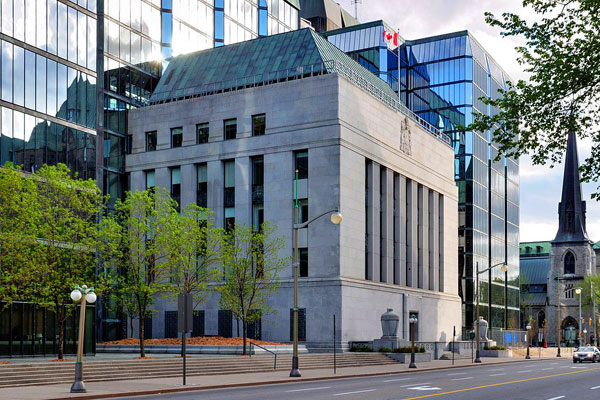
Bank of Canada raises its rate to 2.50%
The Bank of Canada has increased its benchmark interest rate by 0.25 percentage points, bringing it to 2.50%, marking its first rate hike since July 2023. The decision reflects growing concerns about persistent inflation, rising energy costs and the possibility that higher prices could spread throughout the Canadian economy. The central bank had maintained its policy rate at 2.25% since October 2025. While the latest increase was widely anticipated by financial markets, it signals a shift in monetary policy that could have important implications for homeowners, prospective buyers and businesses. Why Did the Bank of Canada Raise Rates?The primary concern behind the decision is inflation. Prolonged conflict in the Middle East has contributed to elevated global oil prices, increasing transportation, manufacturing and operating costs for businesses. Although much of the recent inflationary pressure has been concentrated in energy-related expenses, the Bank of Canada is concerned that businesses may increasingly pass these higher costs on to consumers. Canadian inflation has remained around 3% in recent months, above the central bank's 2% target. The Bank now expects inflation to reach approximately 3.5% by the end of 2026 and remain elevated through much of 2027 before gradually returning toward its target by mid-2028. At the same time, Canada's economy has demonstrated greater resilience than previously anticipated, giving policymakers more room to address inflation through higher interest rates. What Does This Mean for Mortgages and Homeowners?The latest rate increase could result in higher borrowing costs for Canadians, particularly those with variable-rate mortgages and home equity lines of credit. Borrowers with adjustable-rate mortgages may see their payments increase as lenders adjust their prime lending rates. Those with variable-rate mortgages featuring fixed payments may instead see a larger portion of each payment directed toward interest, depending on their mortgage terms. Homeowners with existing fixed-rate mortgages will generally not experience an immediate change in their payments. However, those approaching renewal could face different borrowing conditions depending on prevailing mortgage rates. Fixed mortgage rates are influenced primarily by bond yields rather than directly by the Bank of Canada's overnight rate, meaning they do not necessarily move in step with policy rate announcements. How Could Higher Rates Affect the Real Estate Market?For prospective homebuyers, higher borrowing costs can reduce purchasing power and influence affordability. Even relatively small changes in mortgage rates can affect monthly payments and the amount buyers qualify to borrow. Higher financing costs may also encourage some buyers to delay purchasing decisions while they reassess their budgets and monitor market conditions. For sellers, this could mean a more price-sensitive market, particularly in areas where affordability is already a challenge. However, the impact will vary across regions and property types. Housing supply, employment conditions, population trends and local demand will continue to play important roles in determining market activity. Could Another Interest Rate Increase Be Coming?The Bank of Canada has indicated that it may need to raise rates further if inflationary pressures persist. However, policymakers have also emphasized the need for caution, recognizing that the Canadian economy continues to face uncertainty from international trade tensions, geopolitical developments and changing consumer conditions. The Bank will assess incoming economic data before making further decisions. Future rate changes will depend largely on inflation trends, economic growth and whether higher energy costs continue to influence prices across the economy. Looking AheadThe Bank of Canada's latest decision highlights the delicate balance between controlling inflation and supporting economic growth. Homeowners approaching mortgage renewal may want to review available options and understand the potential impact of changing interest rates. Prospective buyers should carefully assess affordability and financing costs, while sellers may benefit from realistic pricing strategies that reflect current market conditions. Although the direction of future interest rates remains uncertain, one thing is clear: borrowing costs and inflation will continue to play a significant role in shaping Canada's housing market in the months ahead. |
|
|||
|
|
|
|
|
|
|
|
|
||
|
Not intended to solicit properties currently listed for sale
or individuals currently under contract with a brokerage.
Privacy Policy
The material provided in the pages of this website
is for informational purposes only. Although the site owner and creators assume the
information to be correct, and attempt to keep information in the
pages of this website as current as possible, they do not warrant the
accuracy or completeness of any information included in or linked to this page.
|
|
||
 |
|
|
||
|
|
|
||
|
©1999-2026 CRWork.com®. All Rights Reserved.
|
|
||
|
|
|